SURVIVORS REMORSE
AUTUMN WINTER 2026
noun[ U ]
In loving of memory of Remi Coker and Kayode Coker
Tolu Coker’s latest chapter in her ongoing design anthology exploring how clothing, anatomy and space intertwine, questions social mobility by reflecting on her childhood.
For AW26, Coker returns to the runway for her graduating NewGen season with Survivor’s Remorse: a personal collection rooted in self-confrontation. After seasons of storytelling through other voices, Coker turns inward, exploring conflict, contradiction, grief and healing as part of her own lived experience. The collection challenges the myth of “making it out” as the only route to value. Despite the wider world’s projective limitations, Coker reframes her childhood environment as an incubator, the place that shaped, held and grew her.
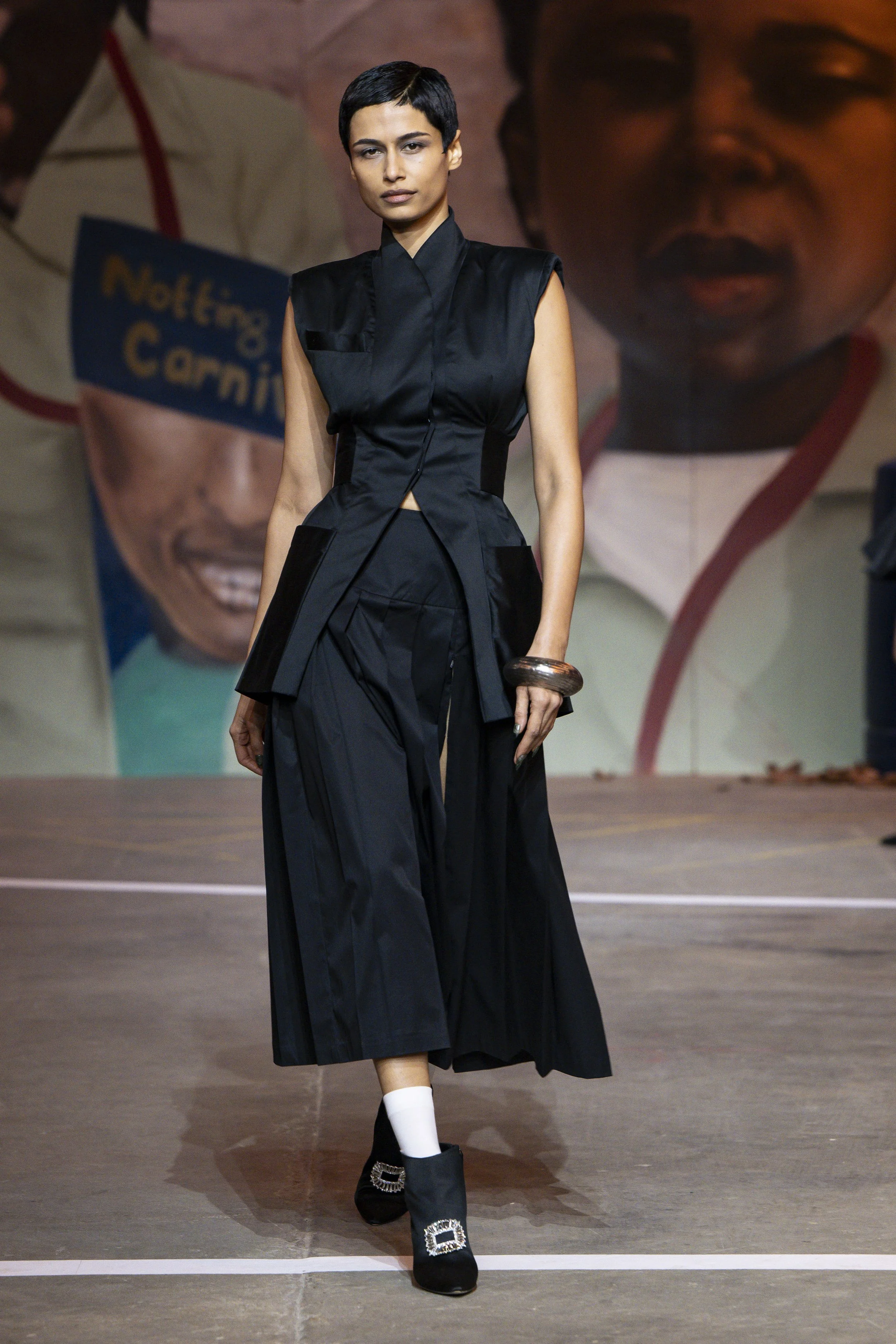
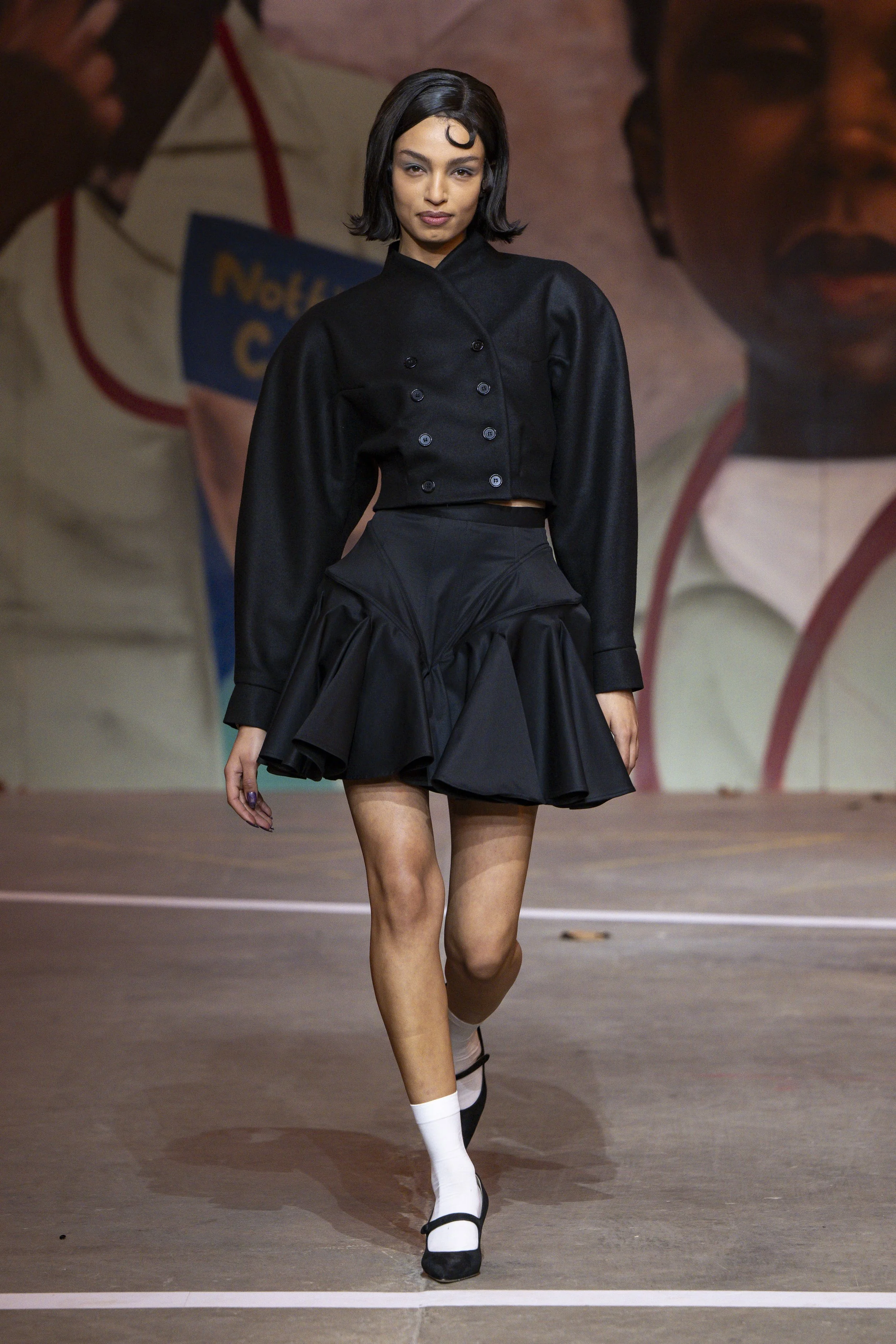
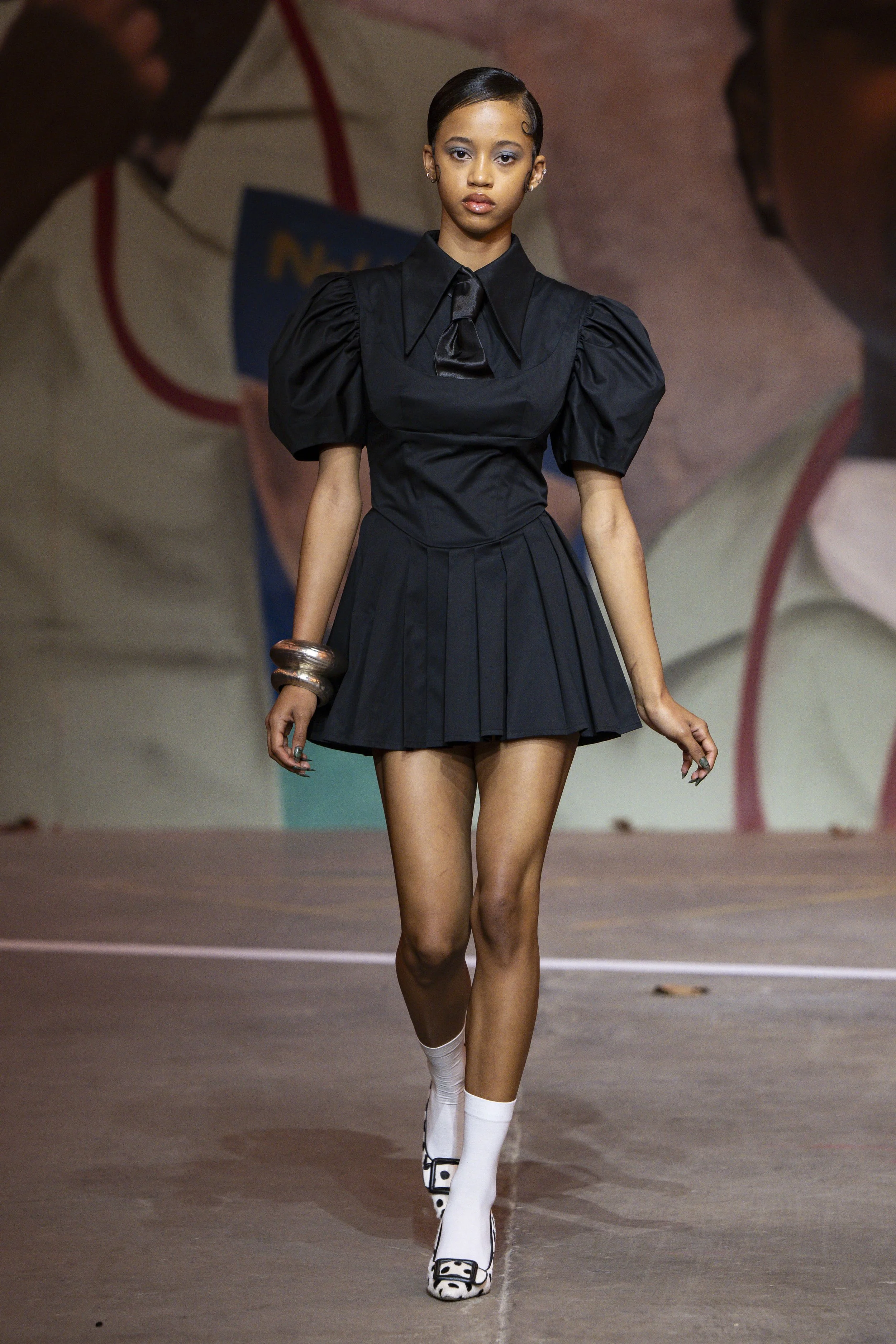
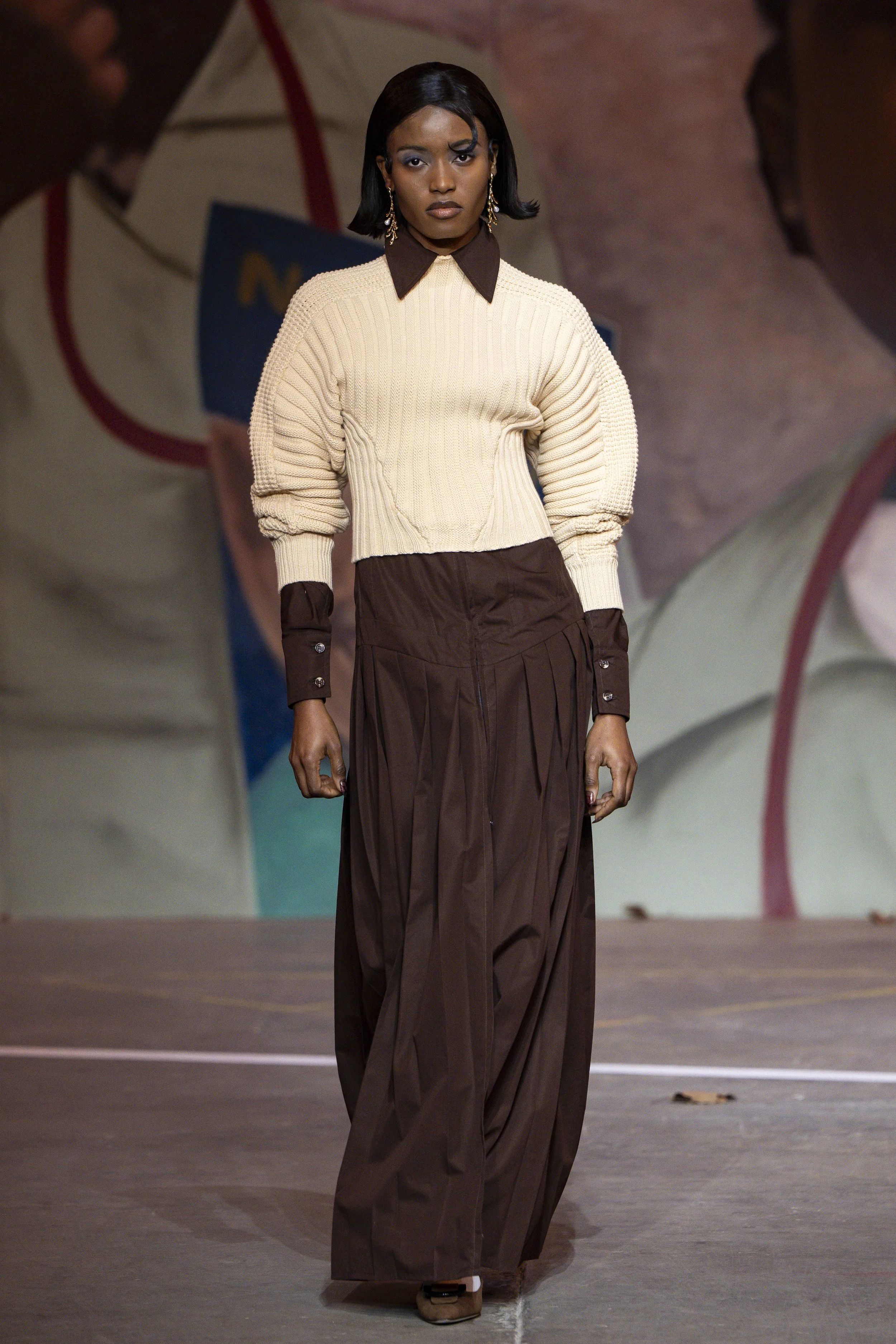
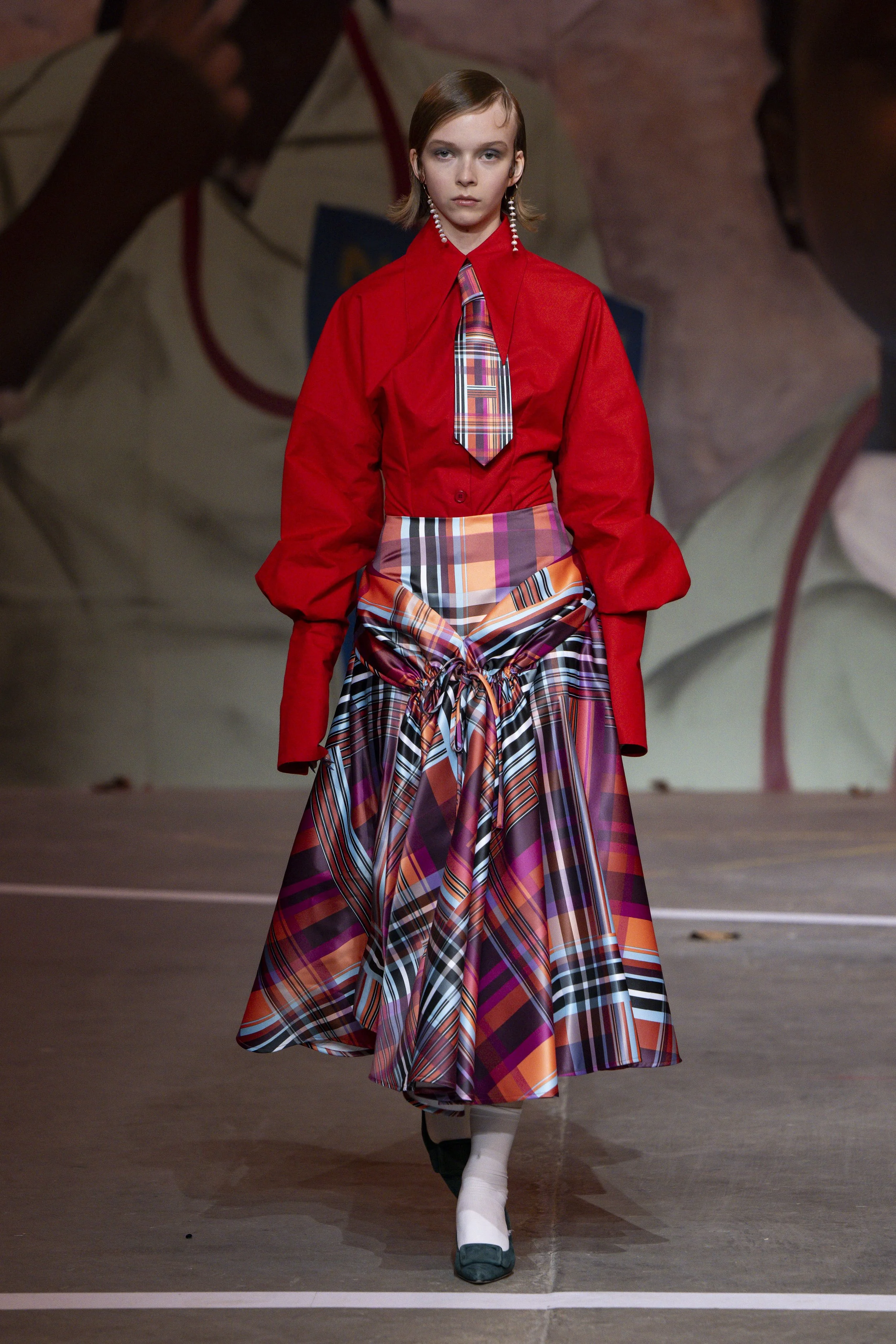
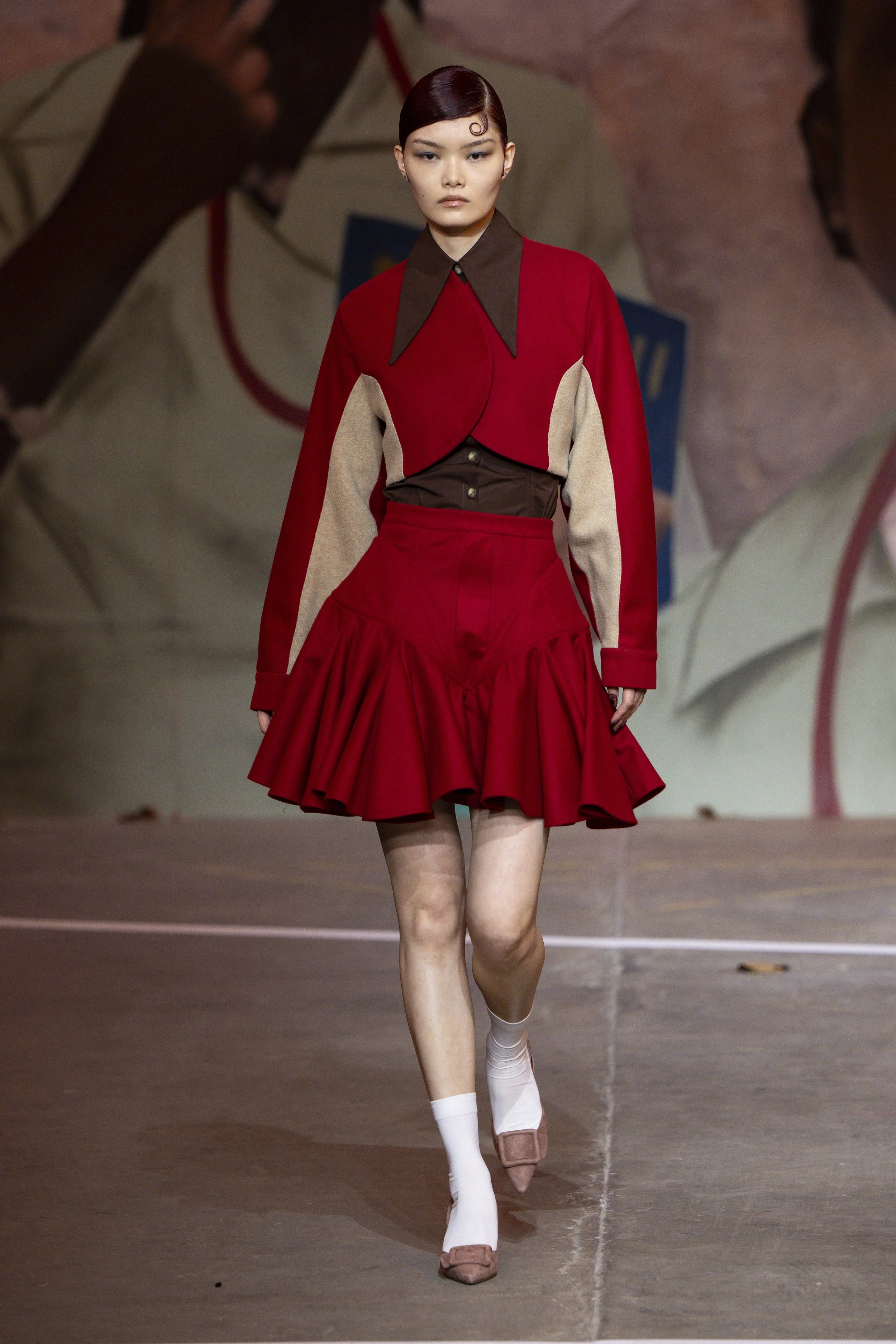
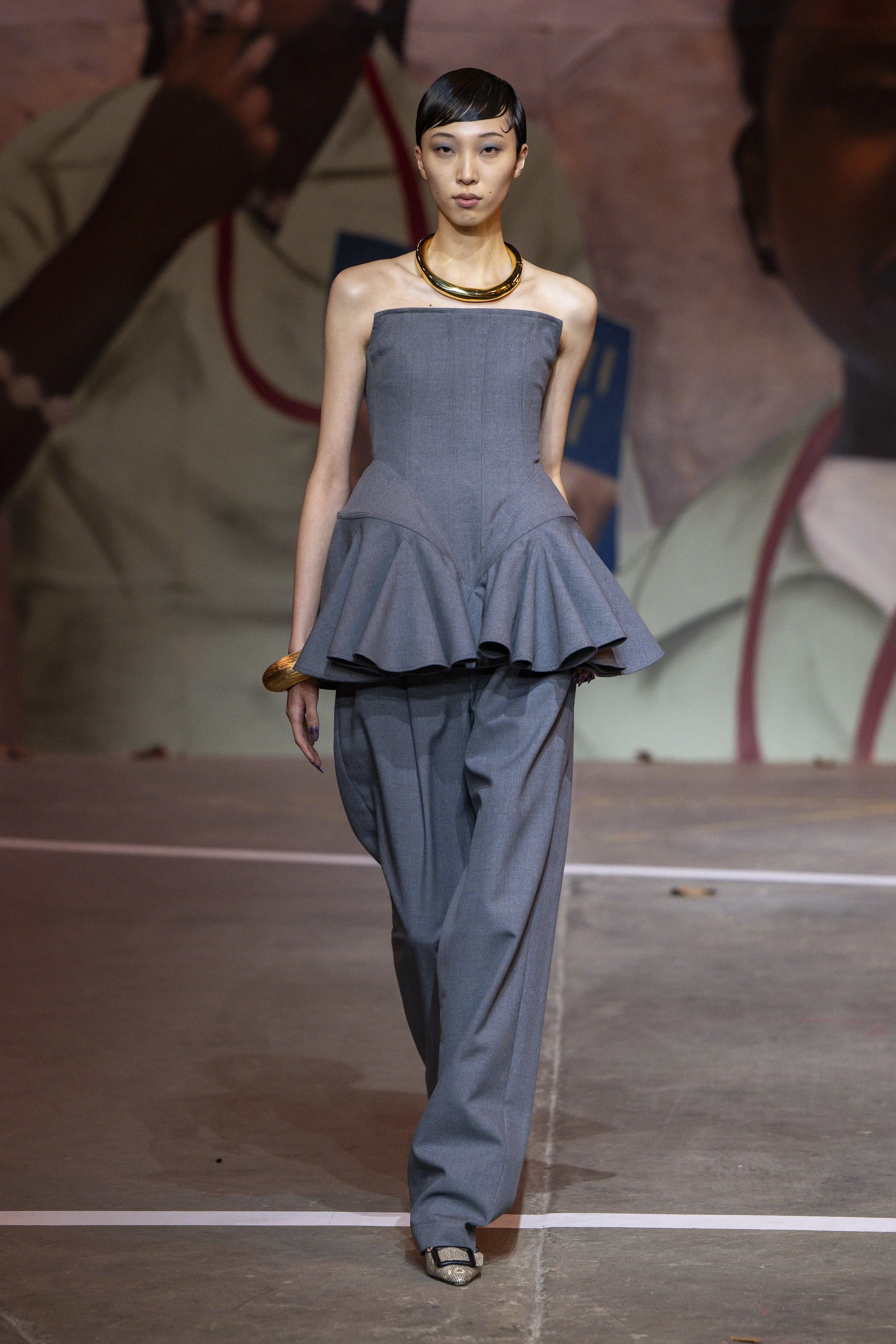
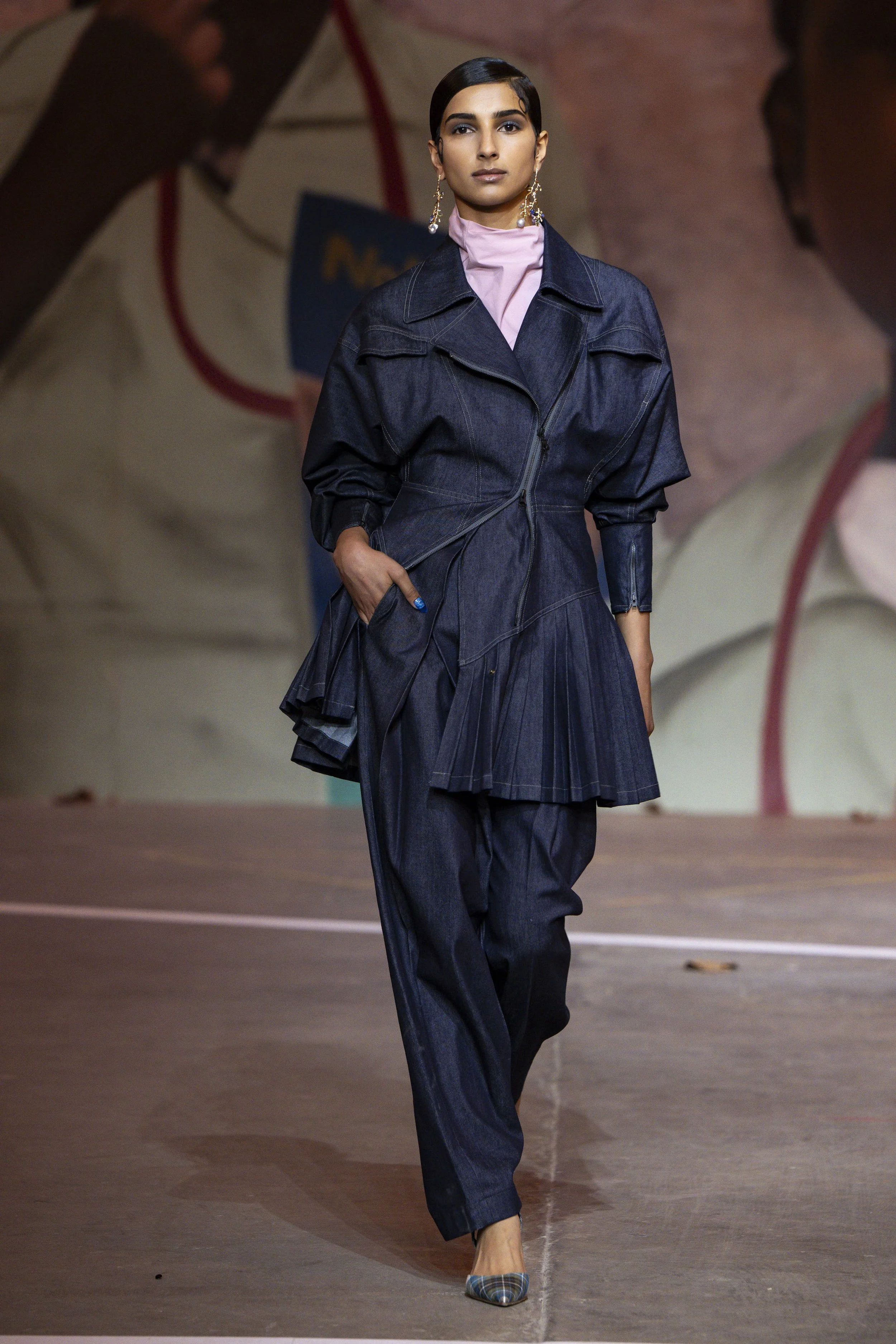
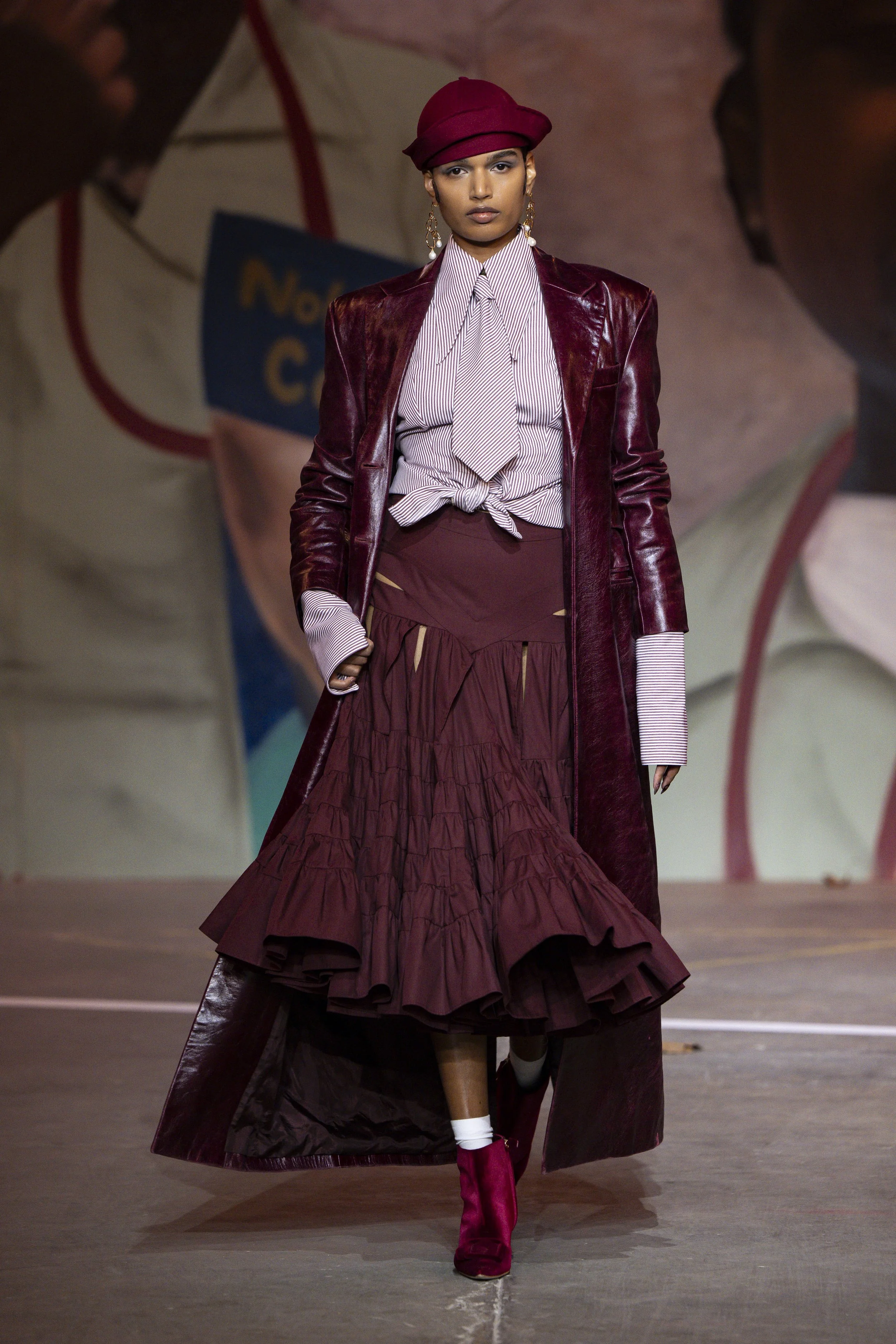
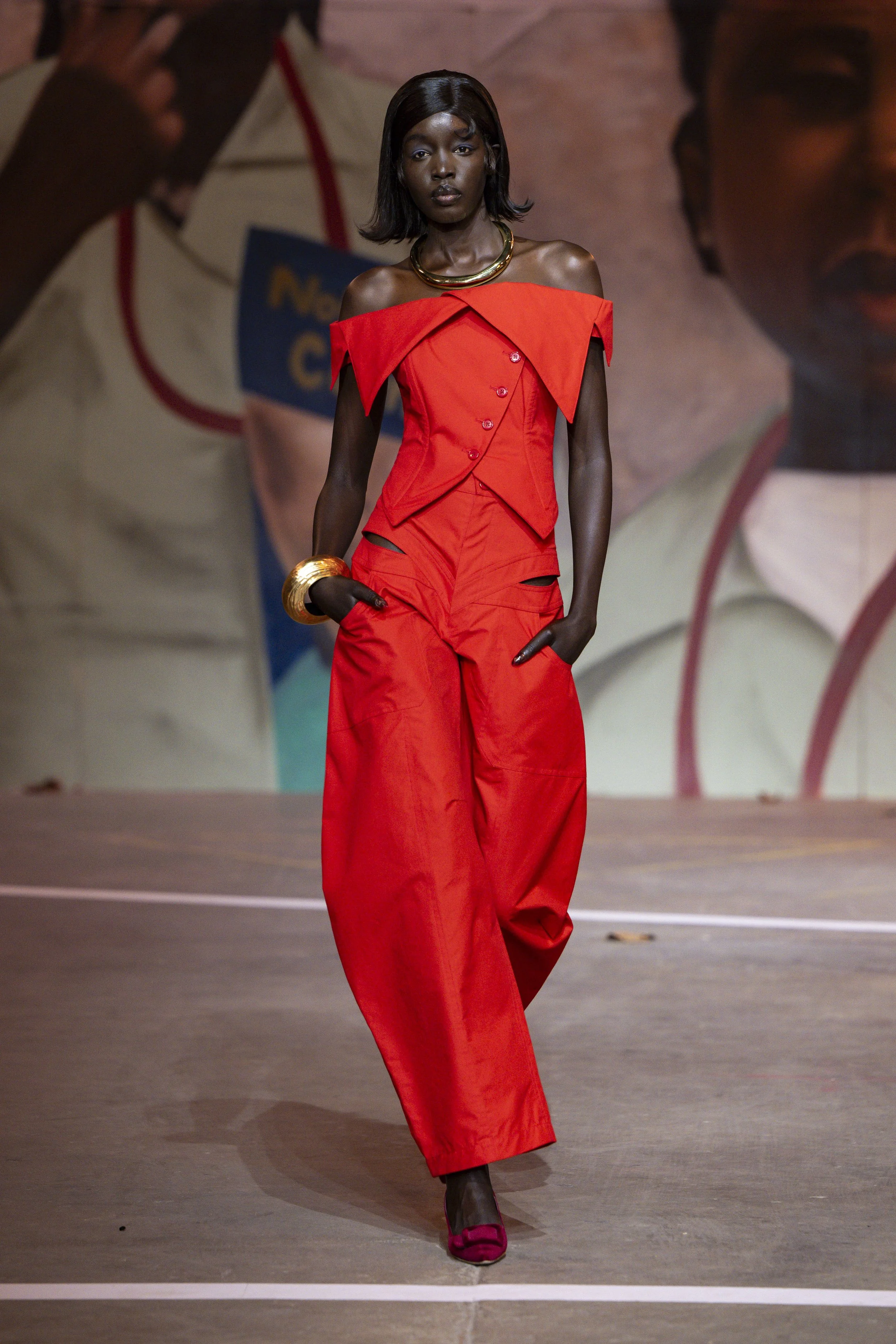
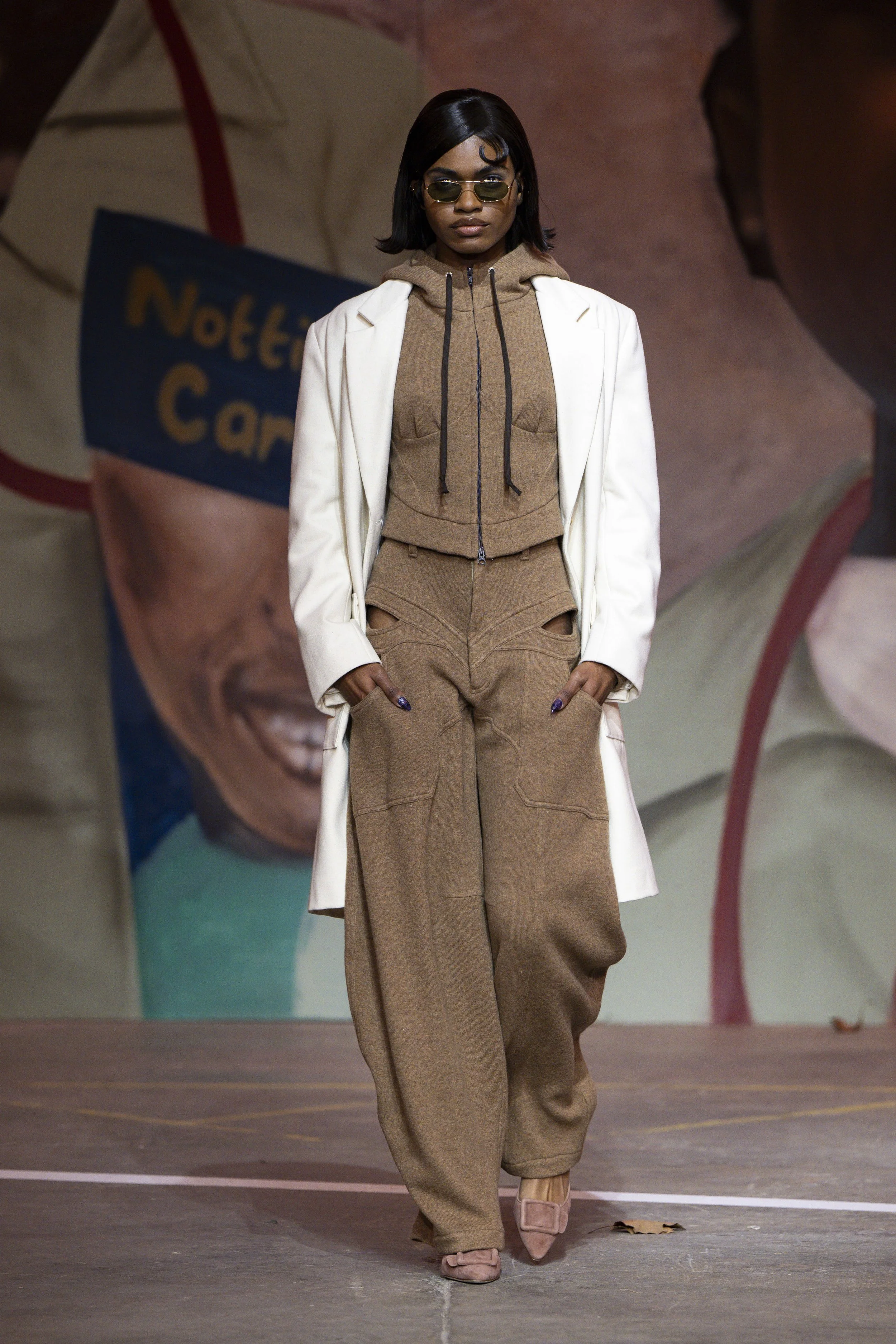
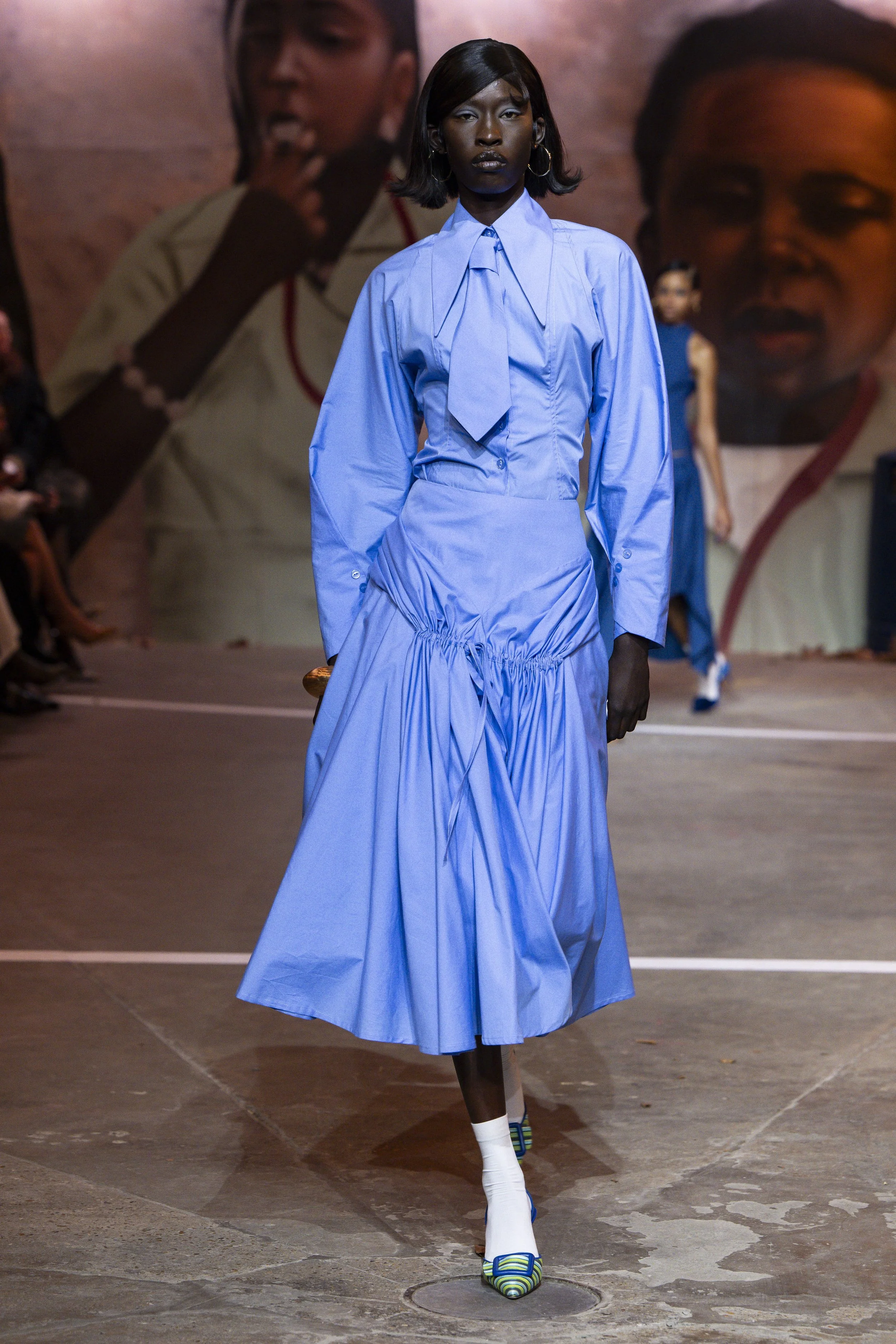
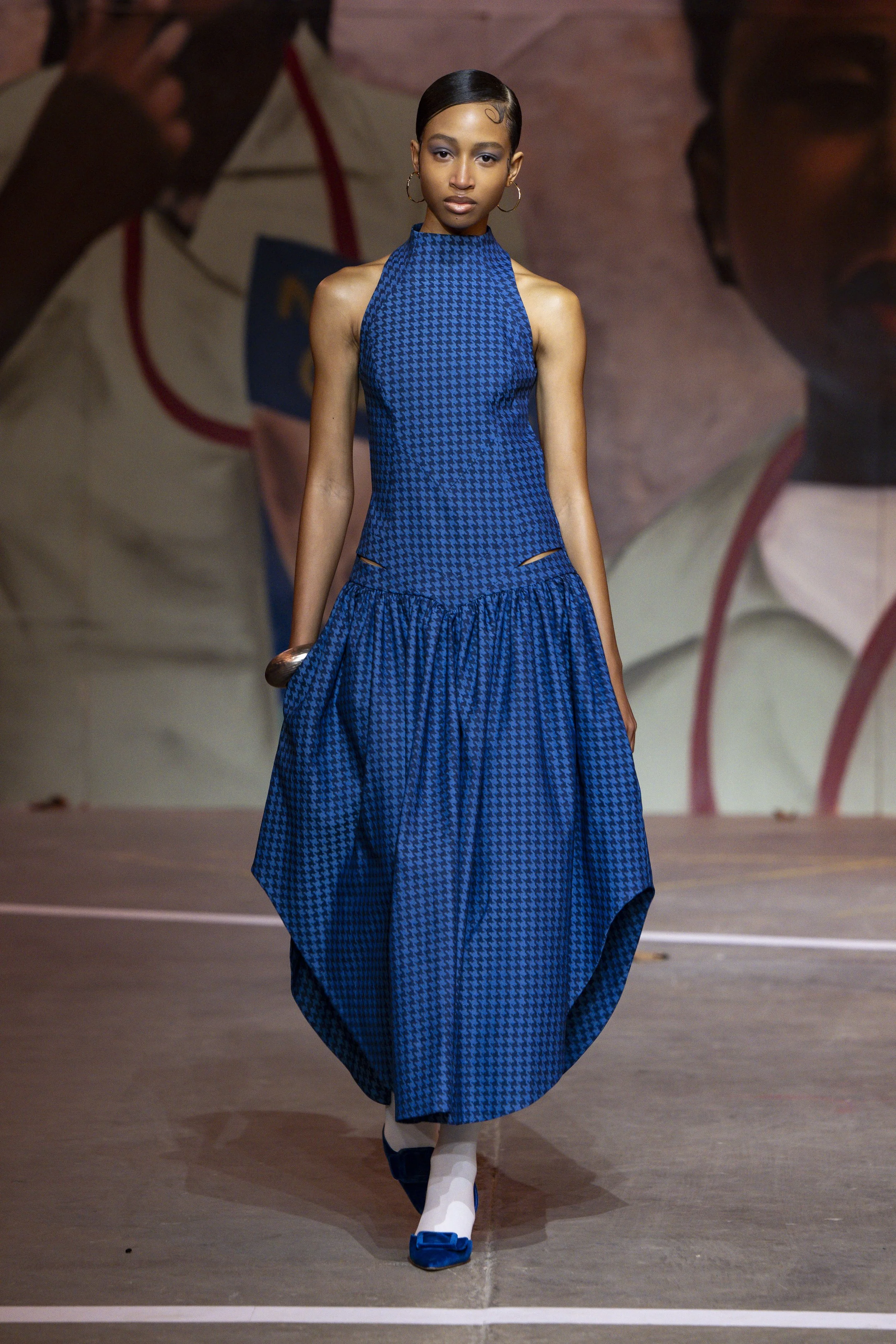
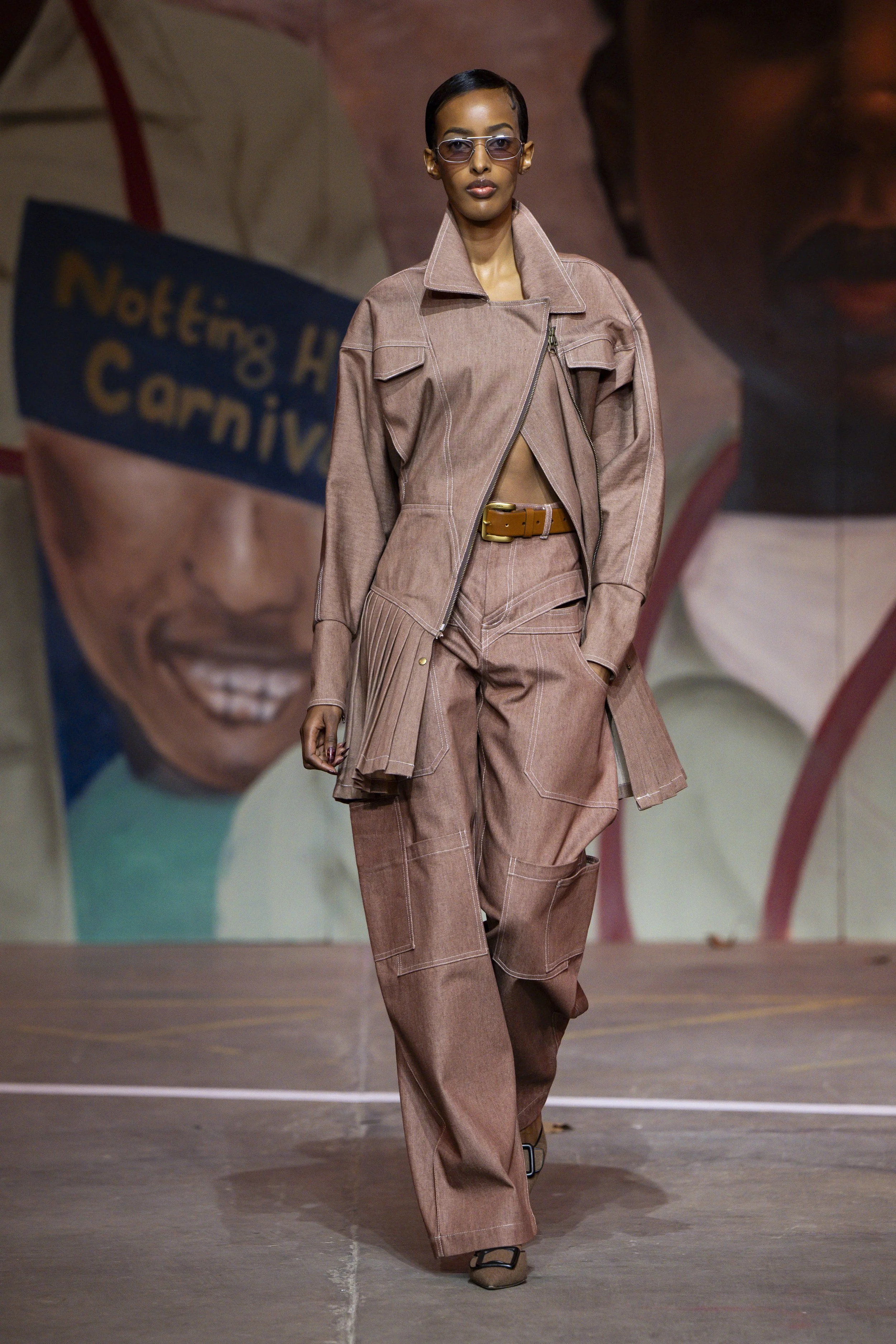
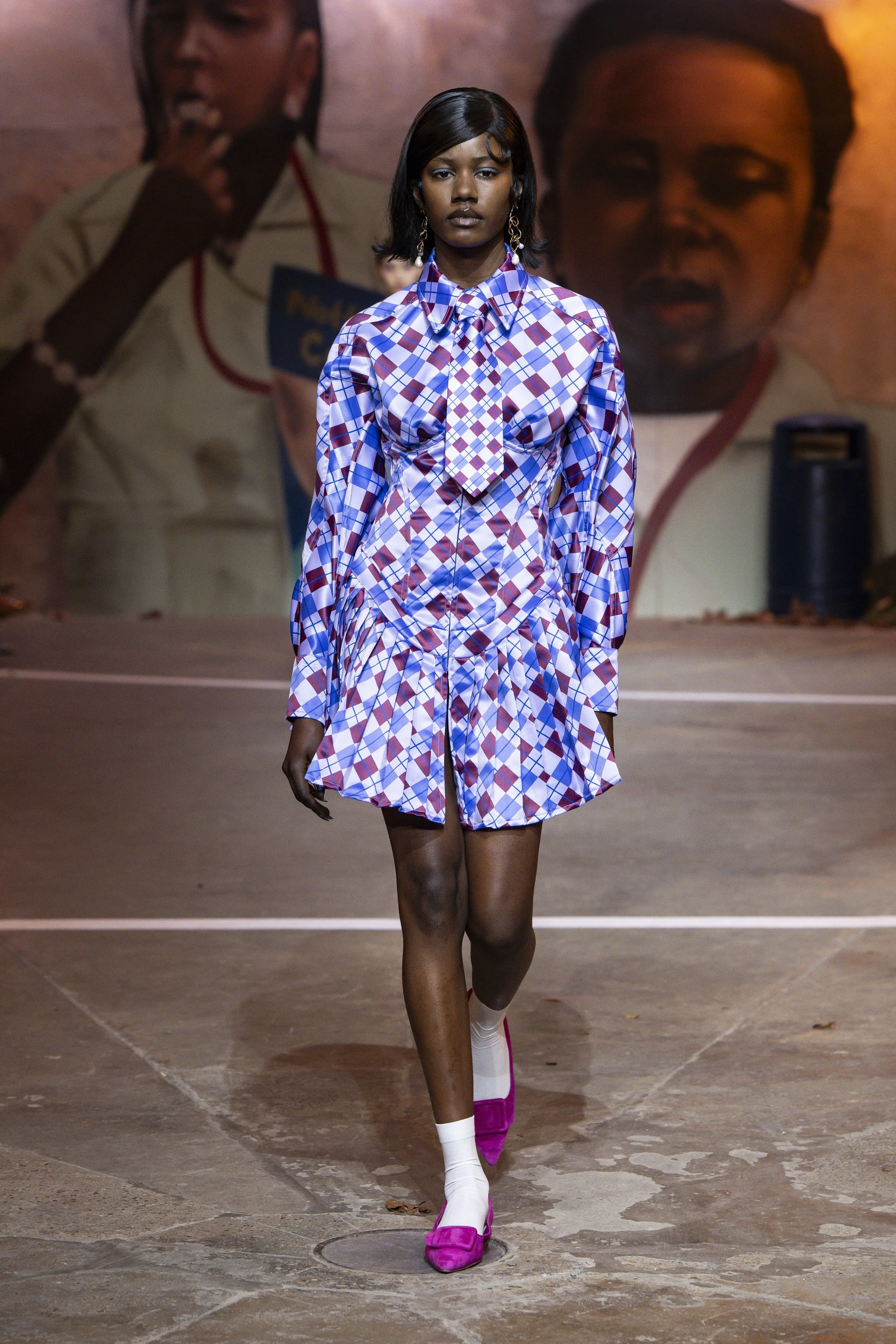
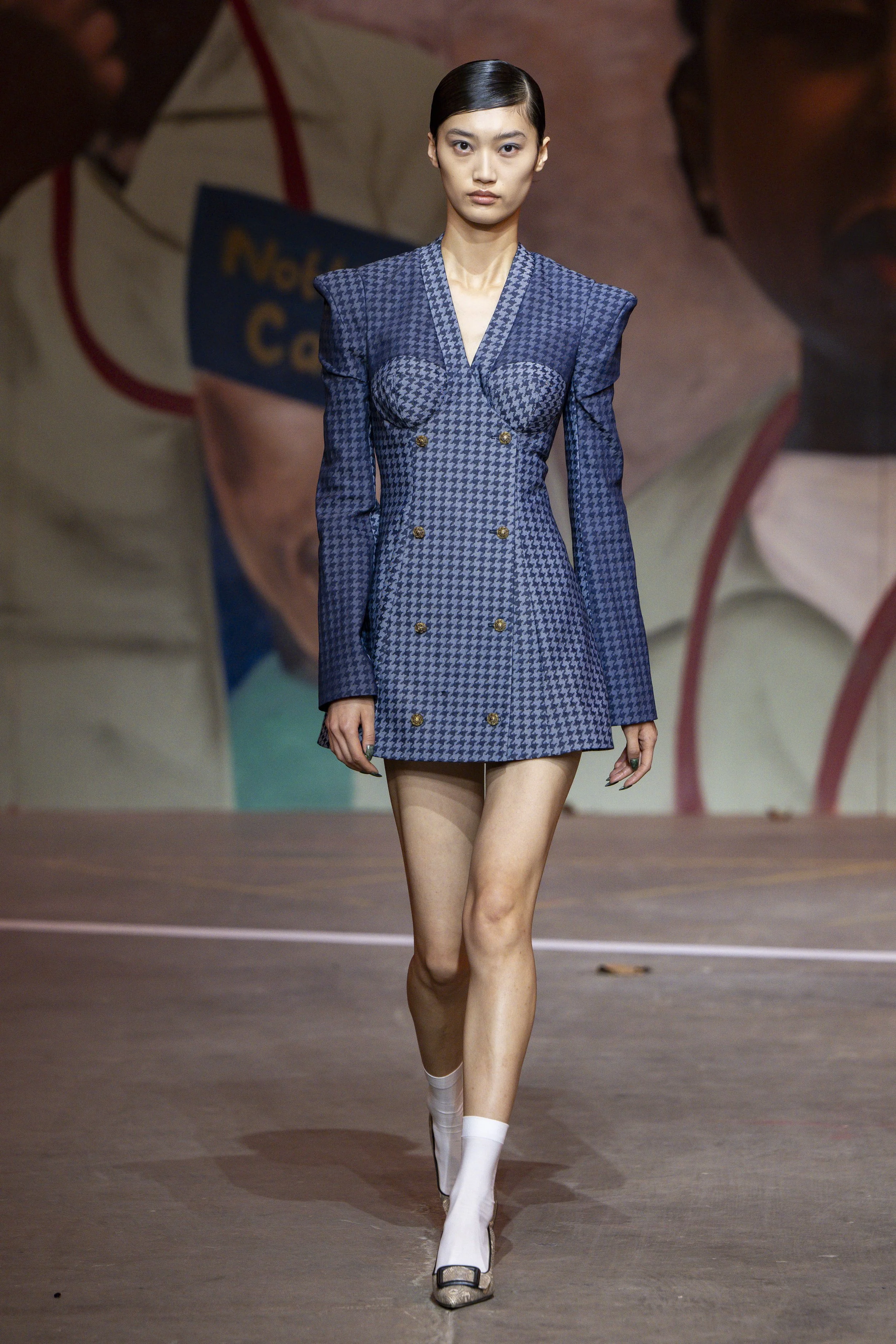
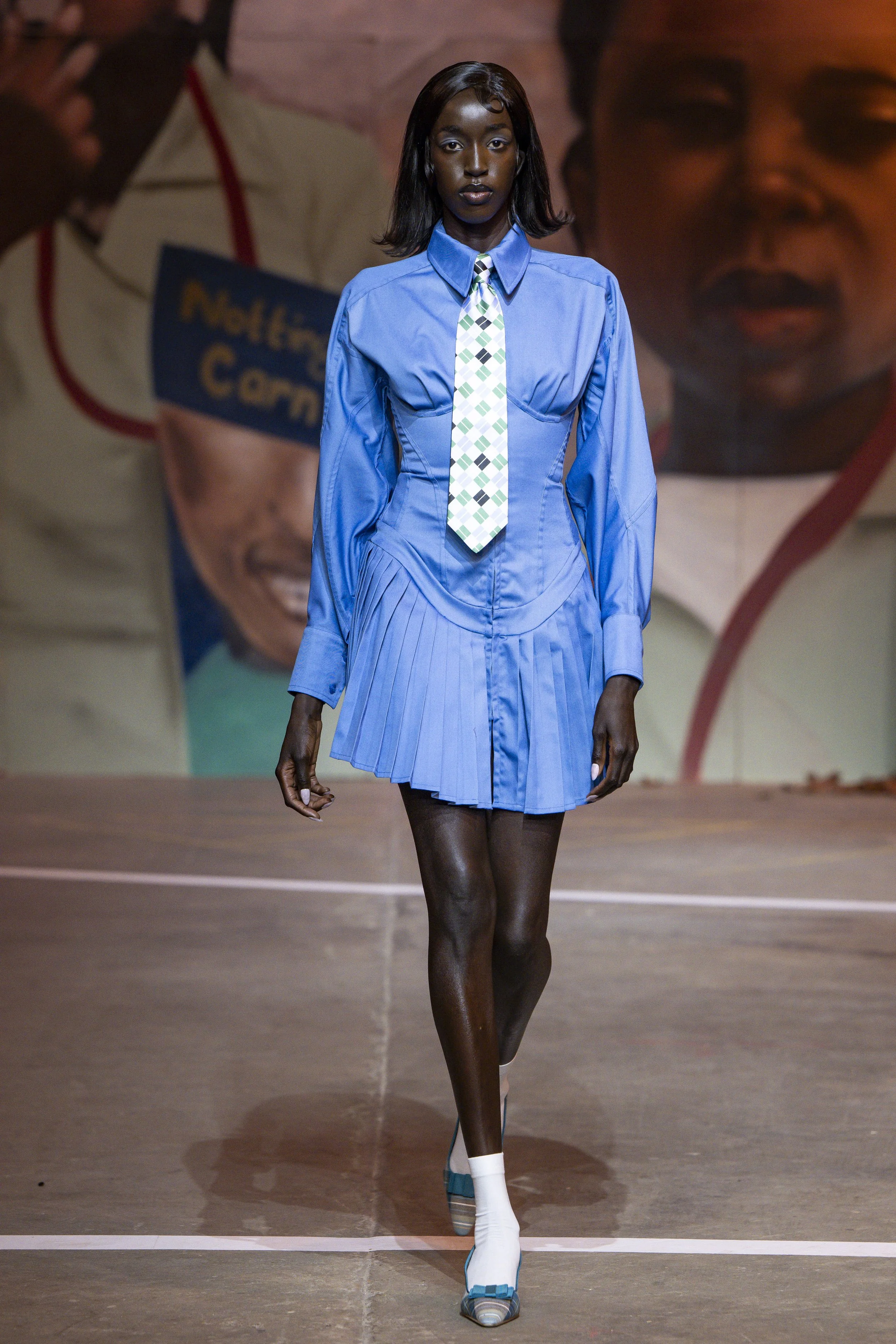
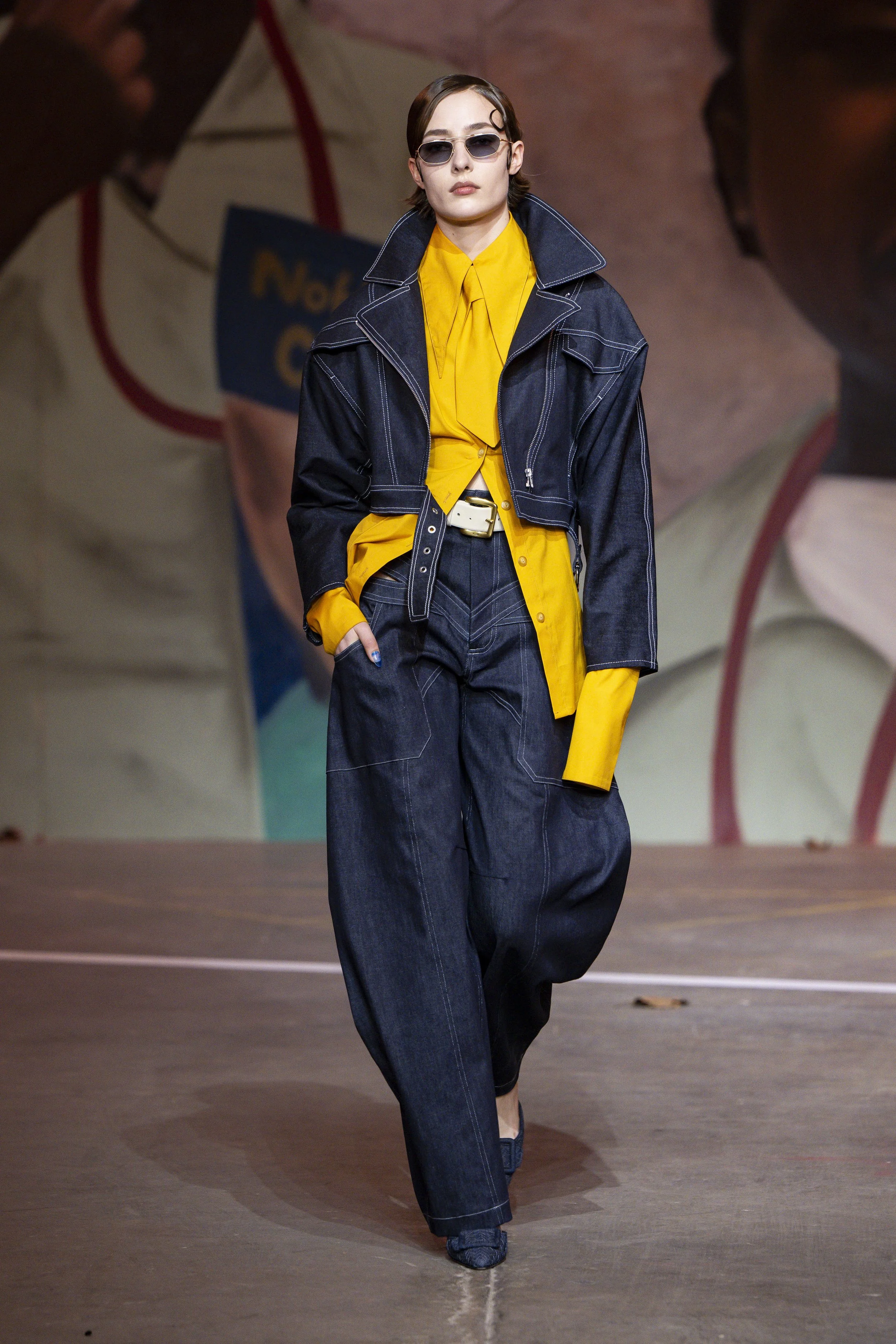
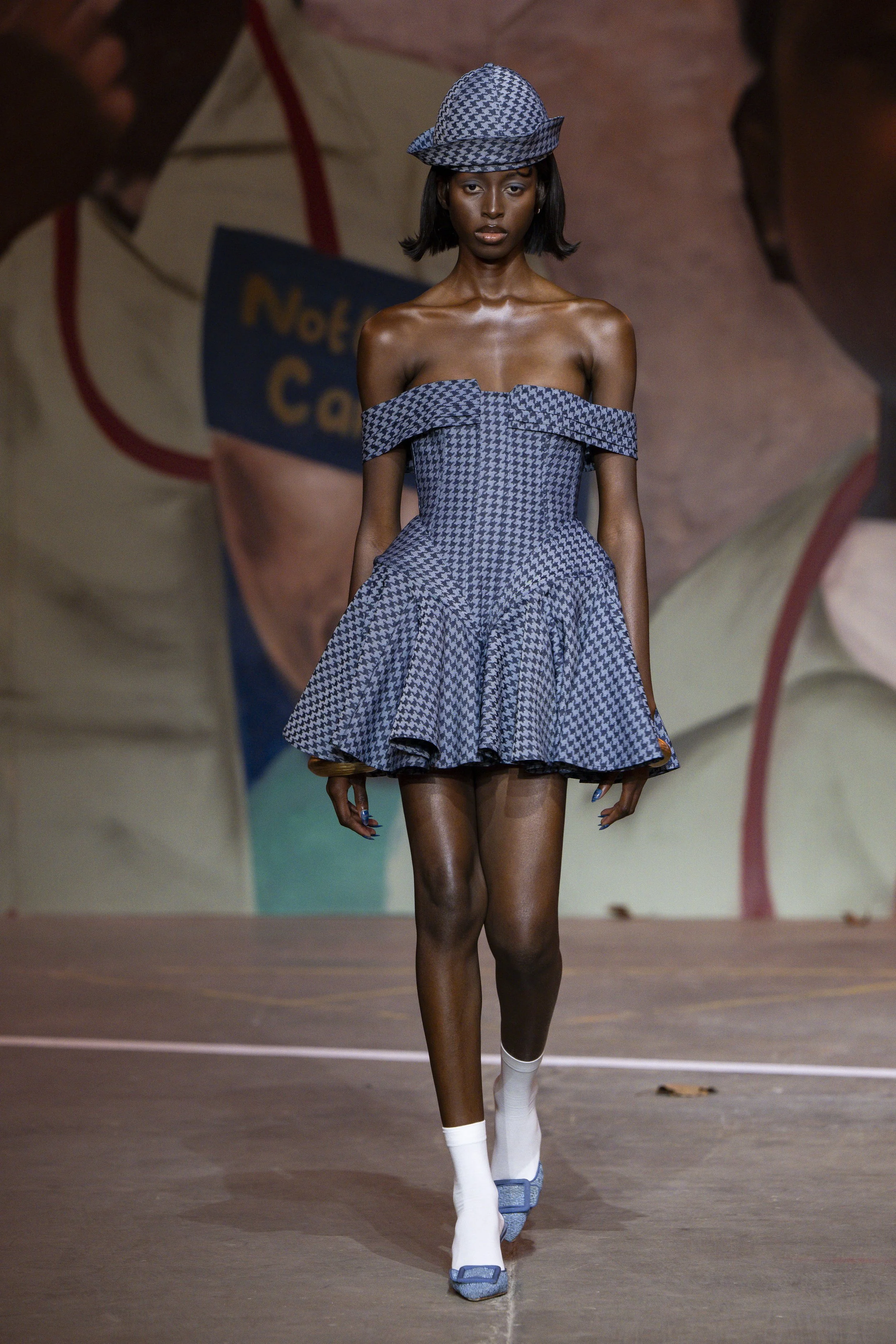
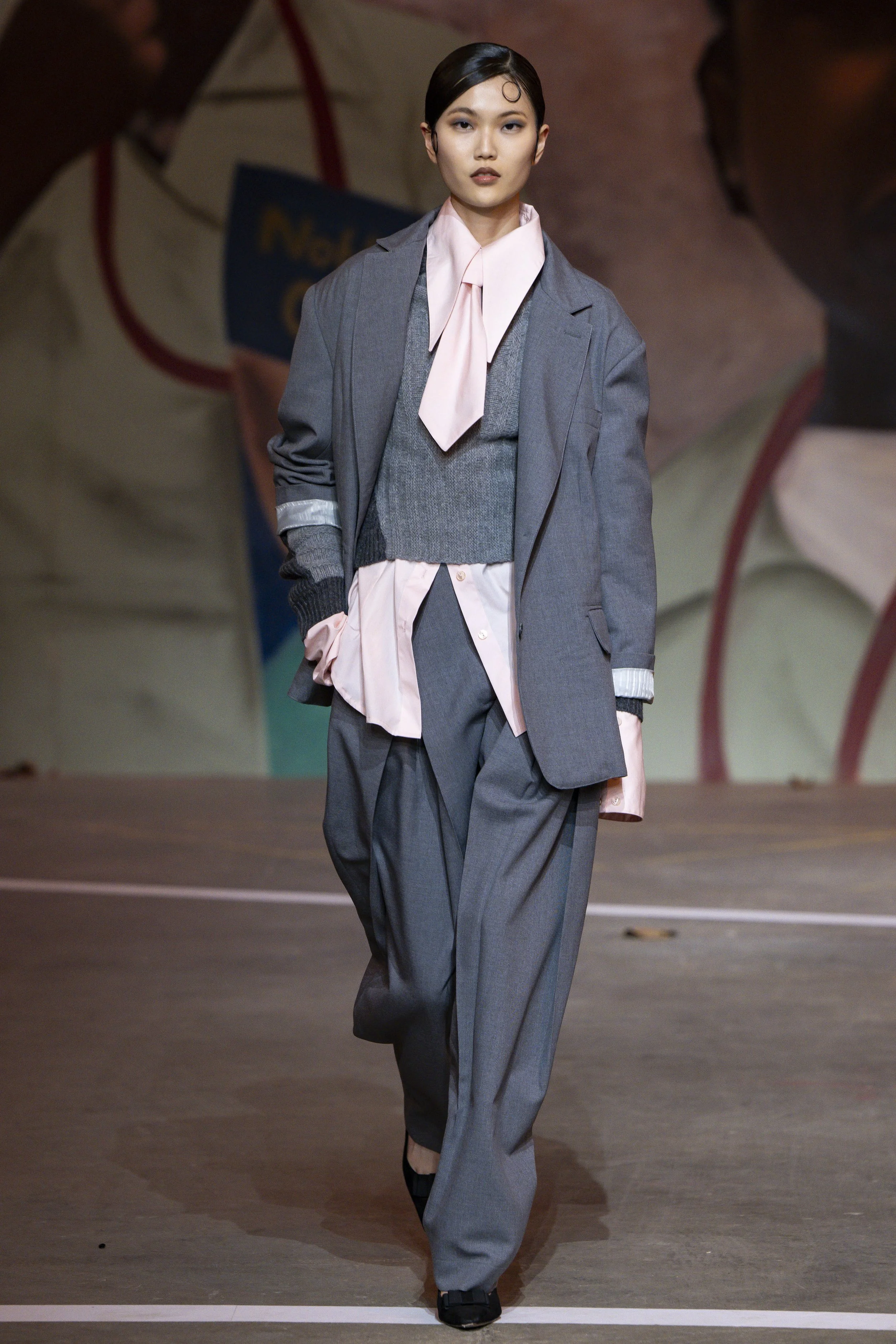
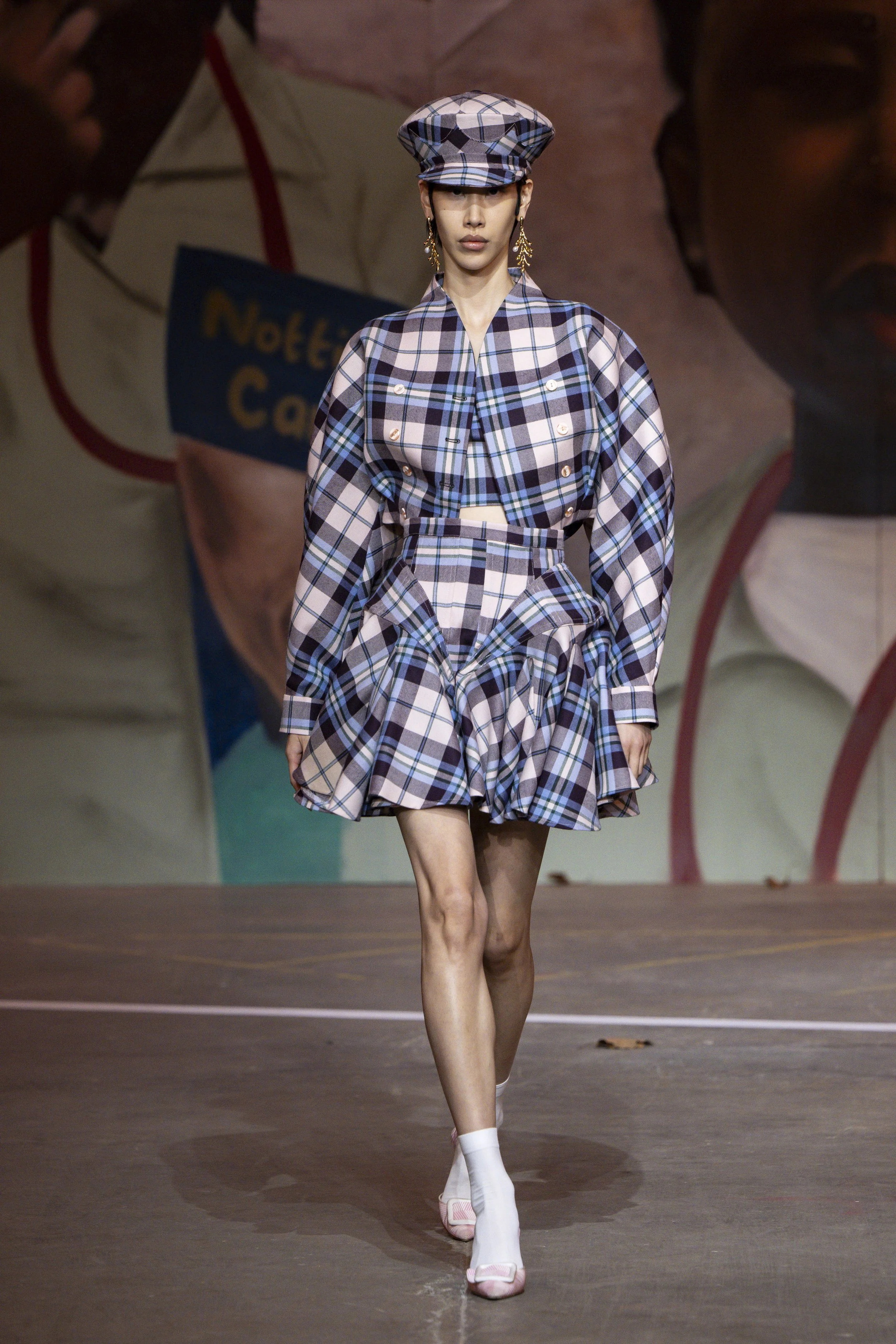
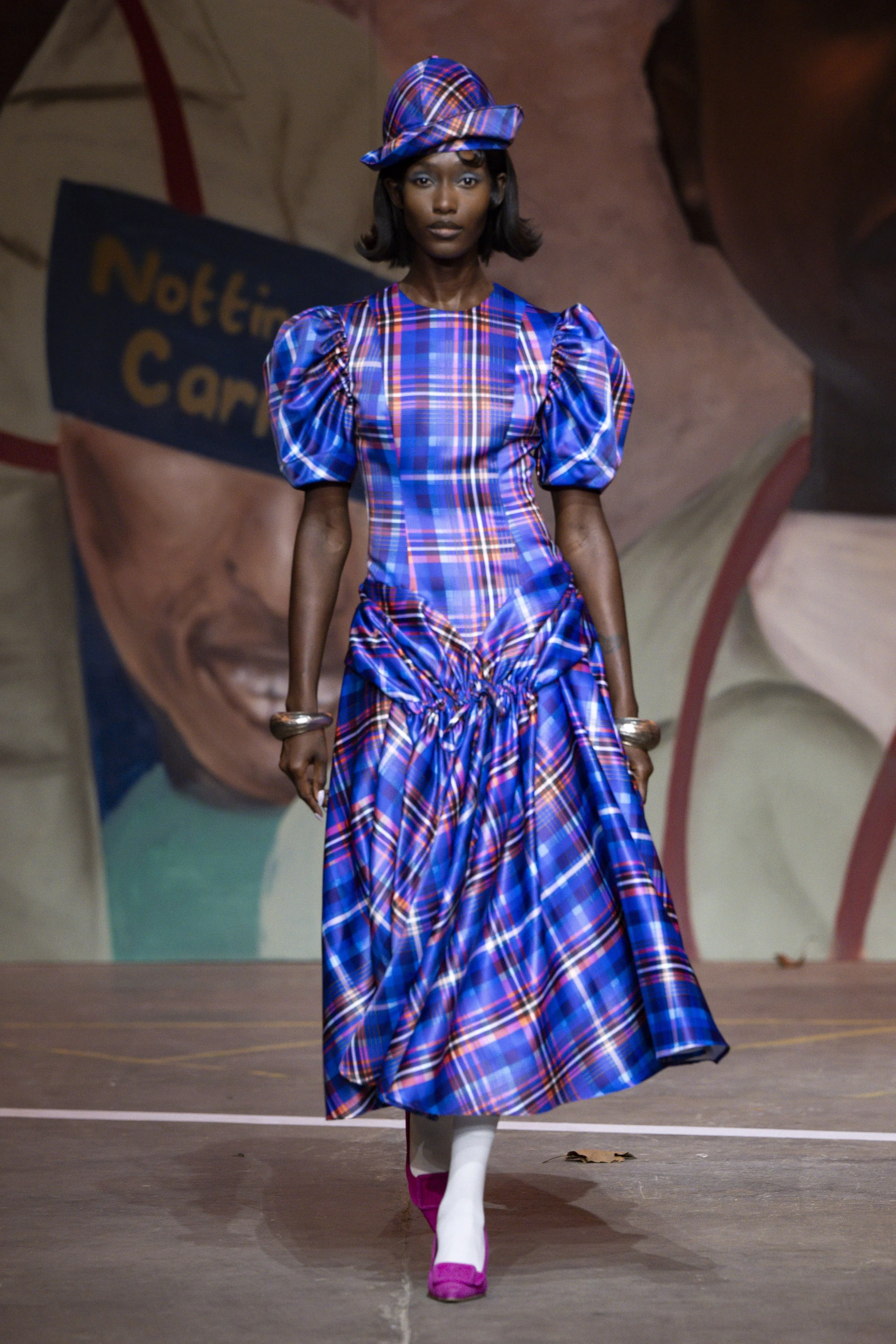
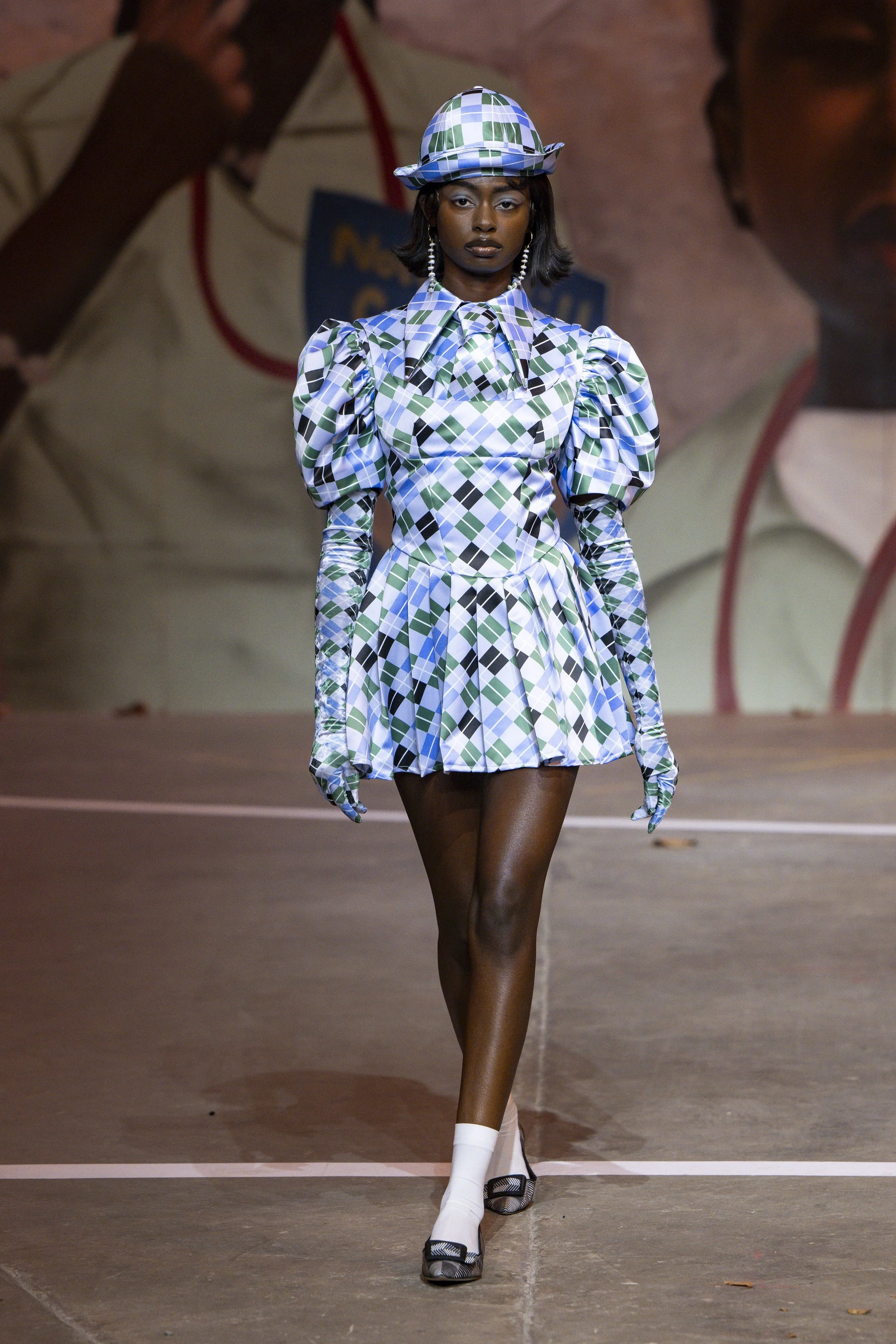
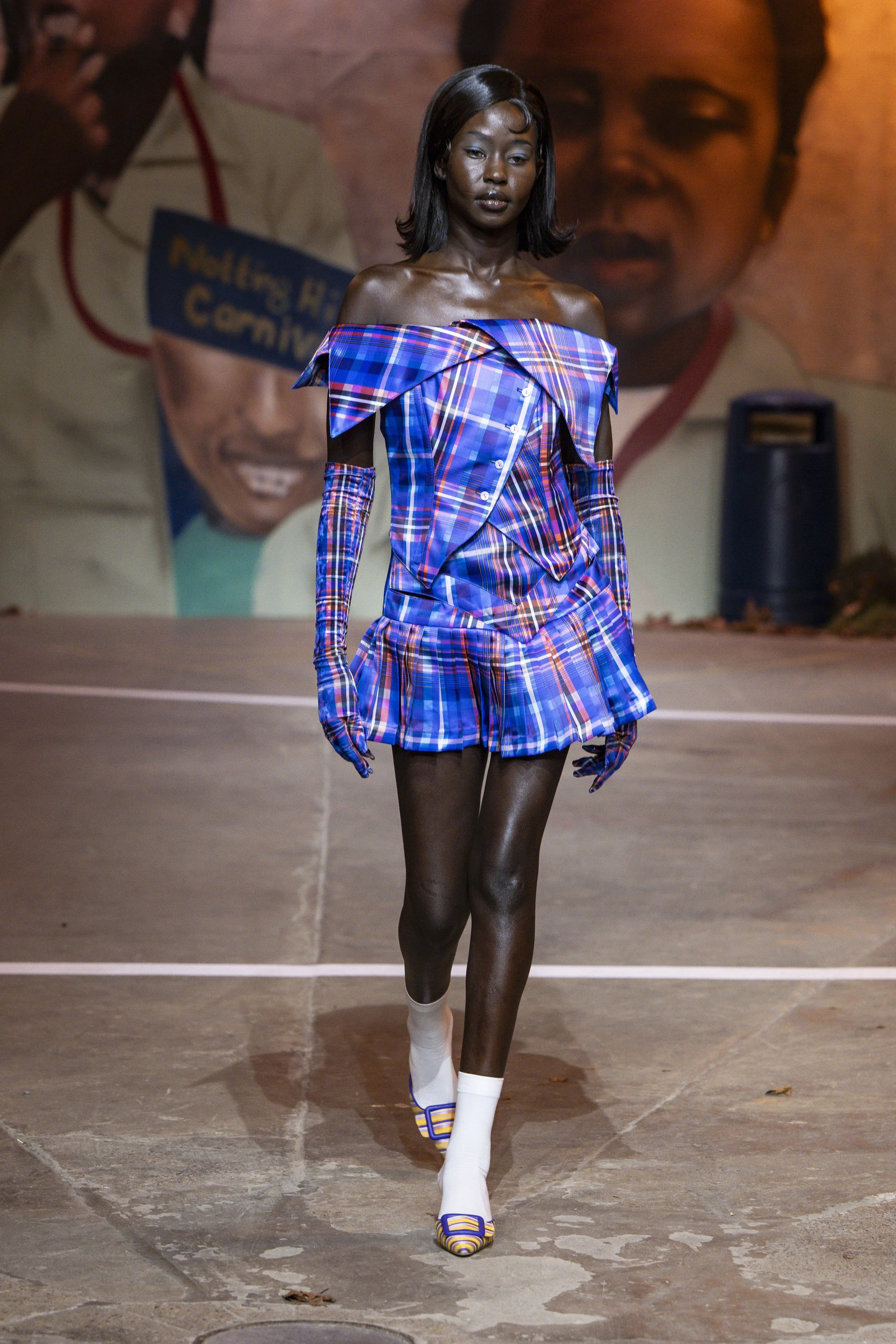
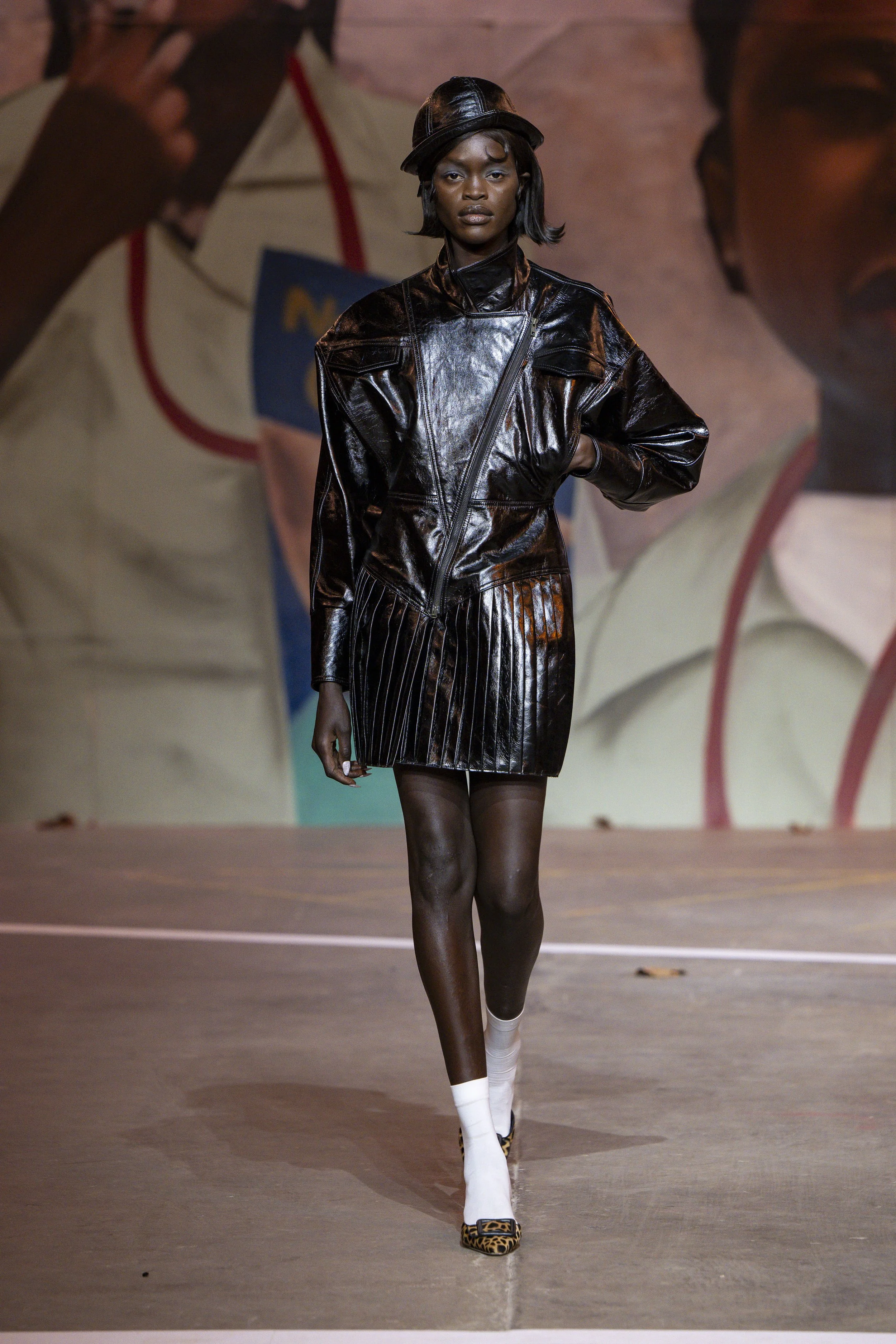
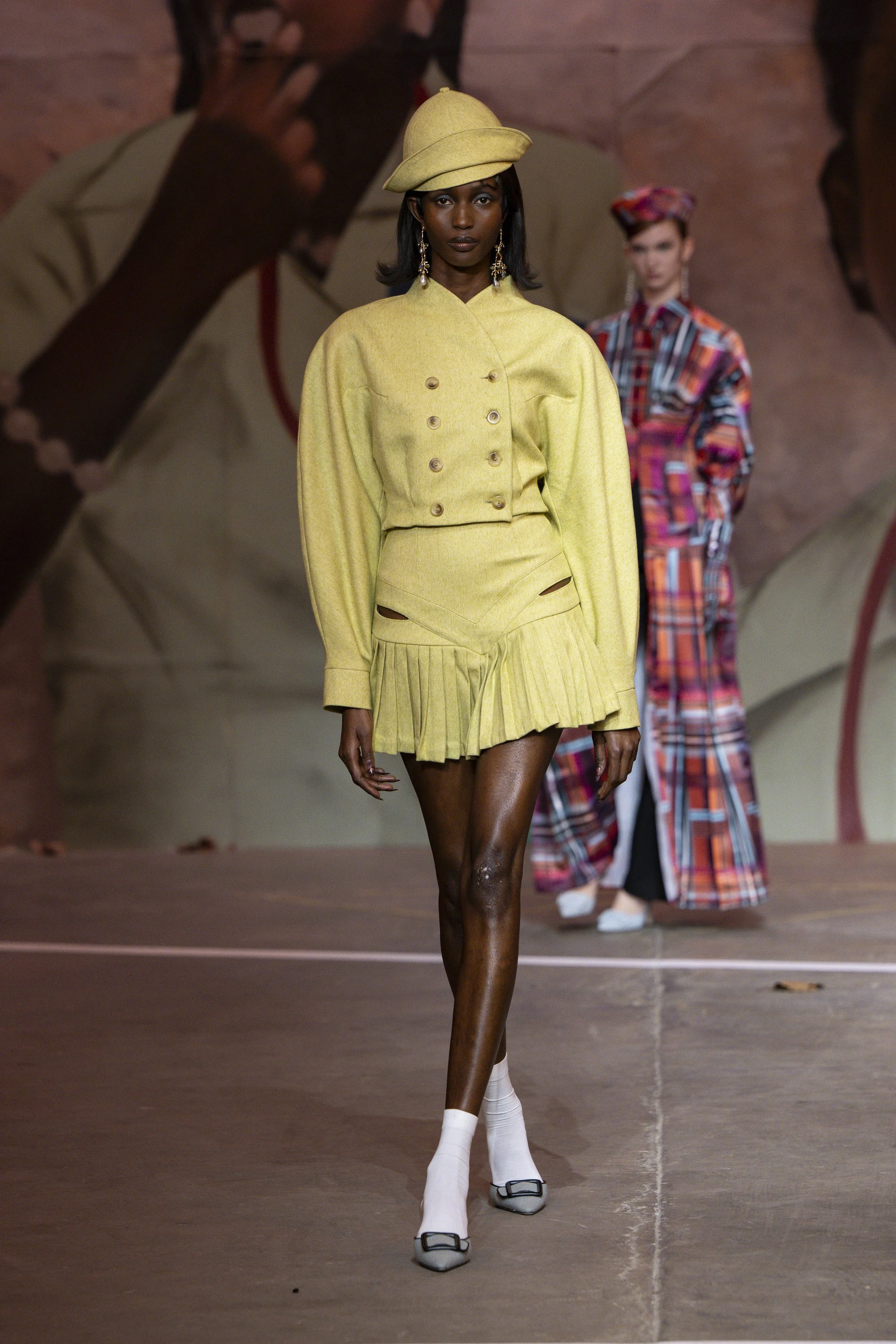
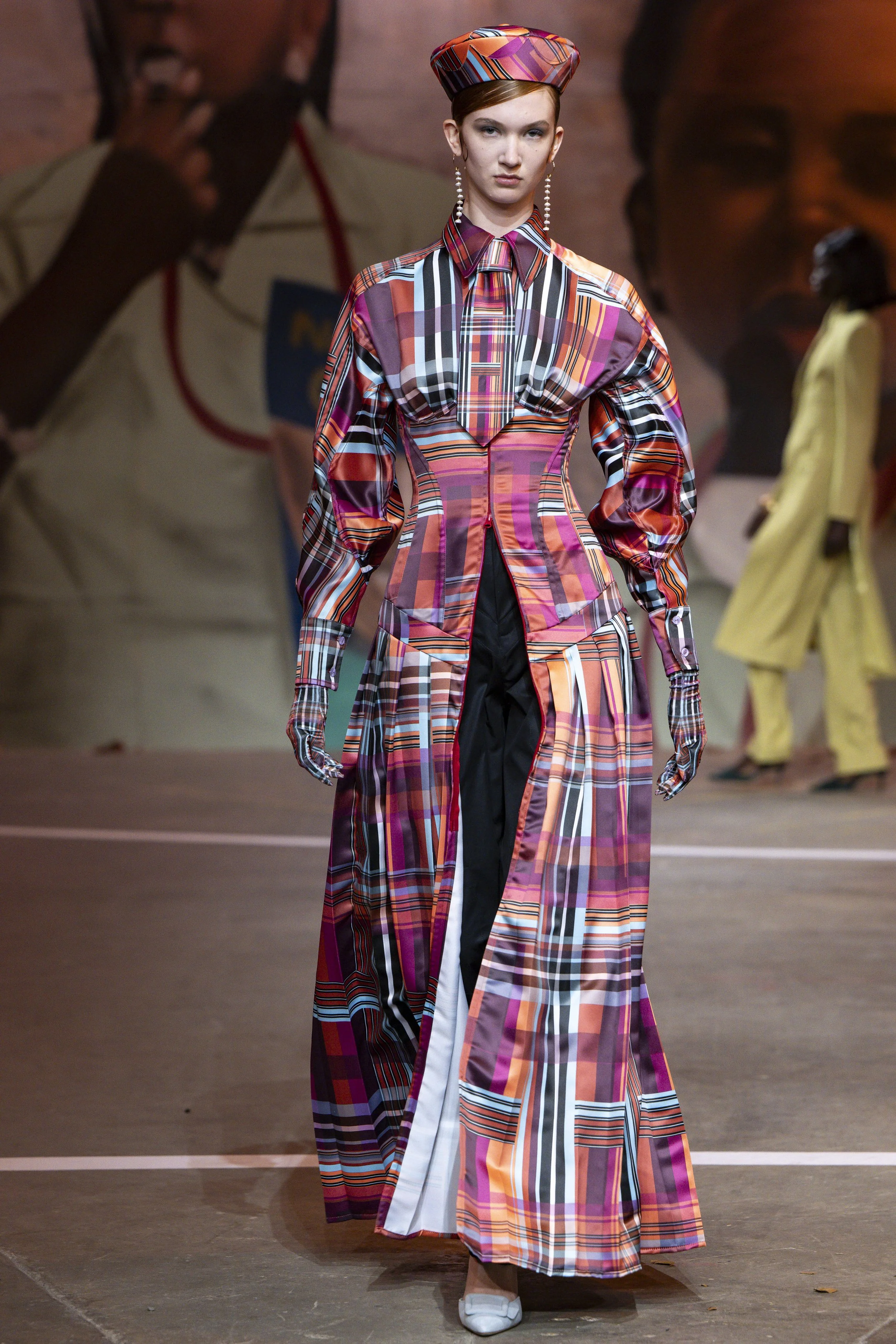
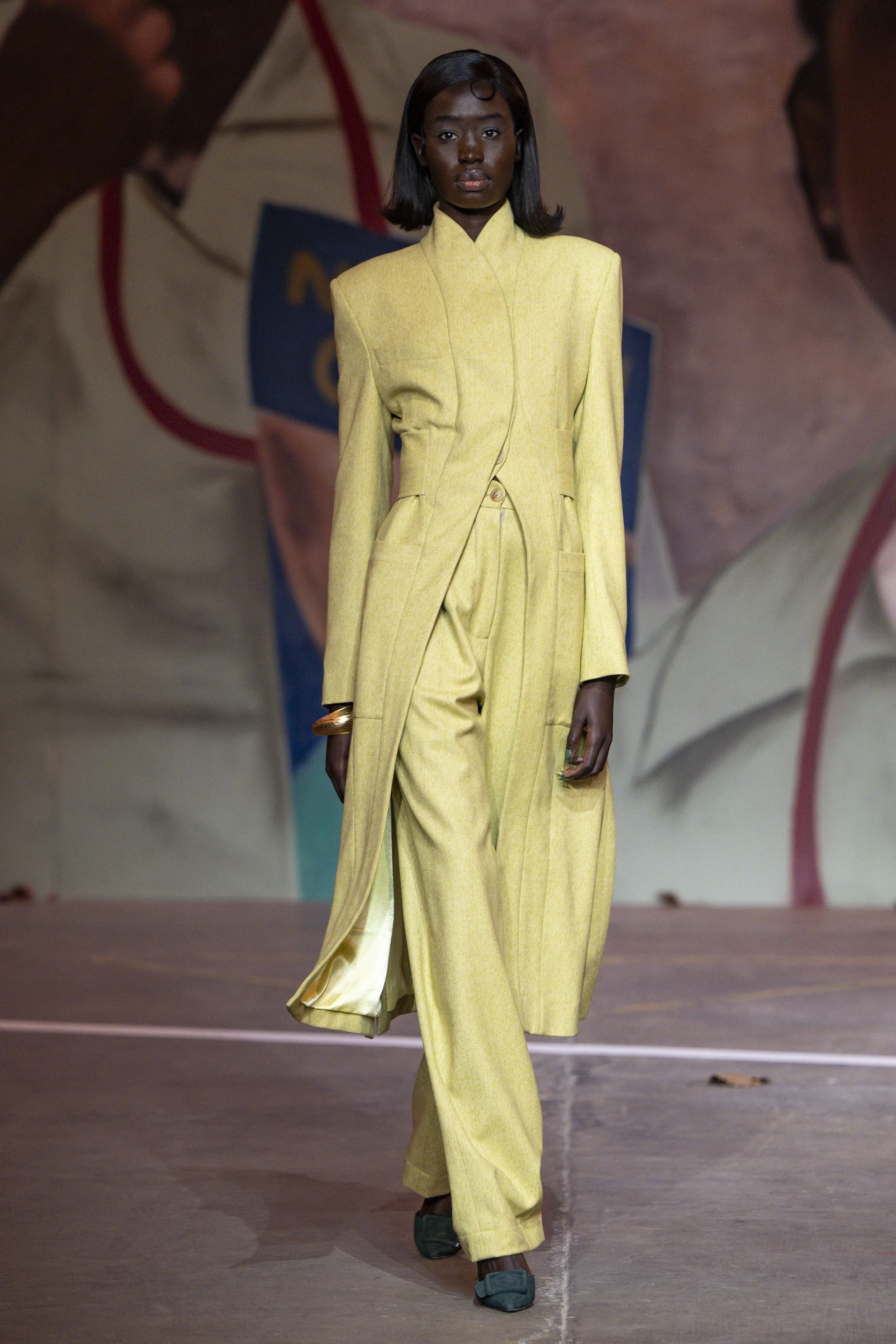
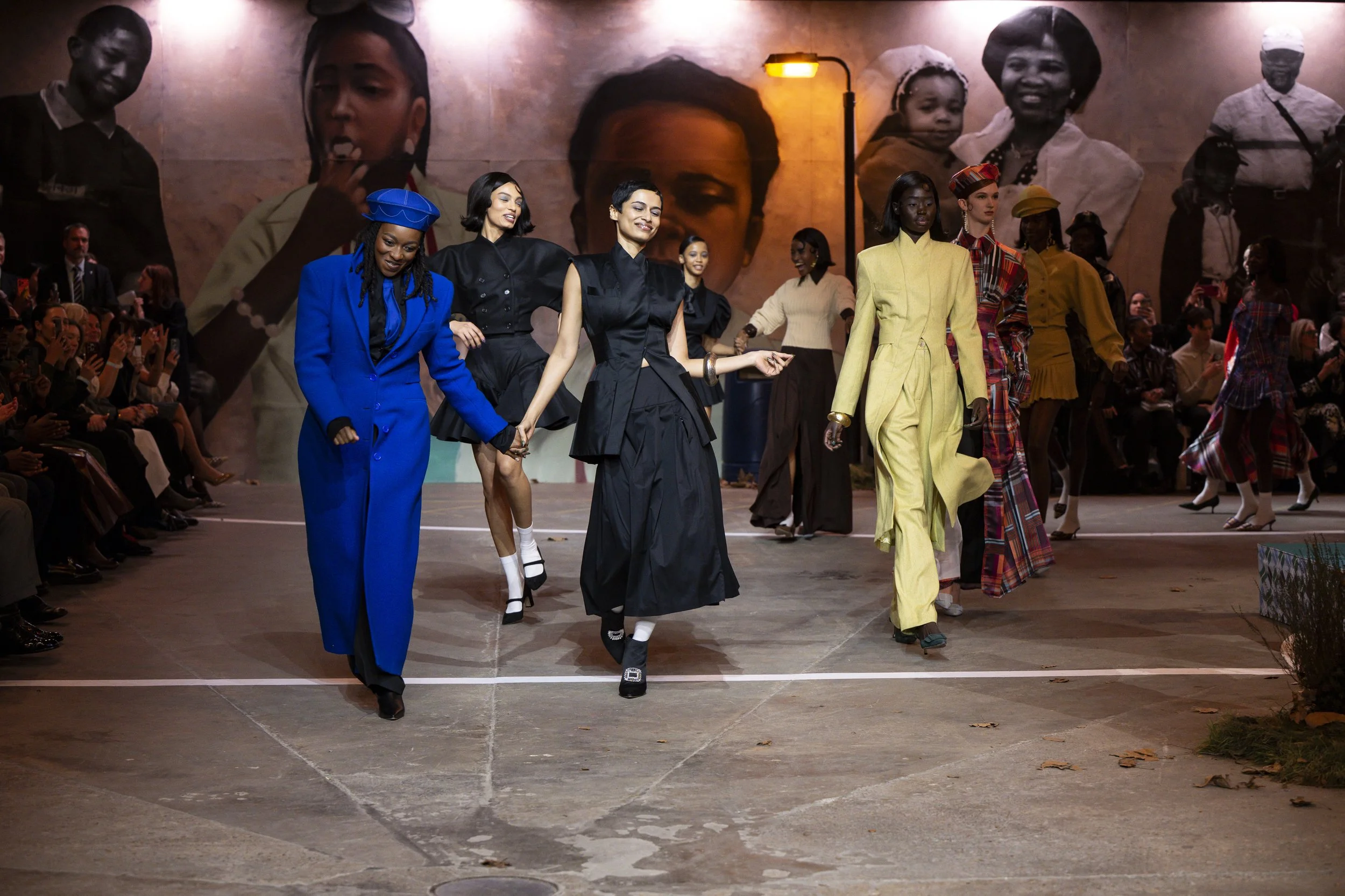
Following SS25 Olapeju inside the living room and SS26 Unfinished Business inside the bedroom, AW26 steps beyond the interior into the shared architecture of the city: the public theatre of becoming. Designed and produced locally in London, the wardrobe holds two worlds at once. Comfort codes that speak to home through hooded forms and athletic ease sit next to protective layers set against the language of progression through sculpted tailoring, sharper lines, structured corsetry. New flounced skirts introduce softness and movement against disciplined cut and construction, while tailoring borrows from traditional menswear principles and reworks them into a feminine silhouettes that are cinched, layered and anatomical.
Textiles and print deepen the story of dual belonging. British heritage tartans are reimagined through a bright, expressive palette, a deliberate tension between Yoruba colour language and European savoir-faire. Accessories extend the codes of ceremony and Sunday’s best as Coker continues her ongoing collaboration on footwear with Manolo Blahnik, while millinery is developed by Coker in collaboration with Virna Pasquinelli.
“For AW26, I wanted the clothes to hold softness and protection alongside discipline and structure. It’s a wardrobe that moves between worlds, because that’s what social mobility asks of you, and the pieces have to be strong enough to carry that story.”
Sustainability remains structural, not symbolic. British wool, upcycled leather and deadstock denim appear across the collection, alongside reclaimed satins introduced through reworked prints and archival components. These material choices reinforce Coker’s philosophy of clothing as heirloom, made to be kept, repaired and carried forward. AW26 also marks a fashion moment beyond the runway: the launch of Coker’s collaboration with Topshop, opening a wider conversation about Britishness, access and the questions that sit behind any wardrobe — why we create, how we create and who we create for.
The runway environment transforms the brutalist language of inner-city London and reveals the warmth and intimacy that lives inside it. Concrete textures and fencing become a frame for community memory. Bright, warm colours against grey structure echo the collection’s central tension: beauty and dignity forged within constraint. A mural by Neequaye Dreph Dsane drawn from family-photo details in Coker’s late father’s archives tributes those we have loved, lost and continue to carry forward. The space holds belonging, a place where childhood, protection and play are remembered with tenderness.
“This has been my most vulnerable collection and in graduating from the NewGen programme, I couldn’t think of any better way to do that than bringing people into the space that I’ve called home for a long time which helped me grow”
Sound is the pulse of the collection’s living archive. Continuing her collaboration with Grammy Award–winning producer Gaetan Judd and renowned music collective The Compozers, Coker builds a score that shapes silhouette and story shapes rhythm. Acclaimed star Little Simz blends London rap and UK cadence with diasporic fragments of migration resulting in a soundscape that animates the collection.
Across Survivor’s Remorse, Coker asks what it means to survive beautifully. The collection frames social mobility through clothes as continuity, honouring the people who built the world we stand on and celebrating the inheritance that can’t be measured, only carried. This is Reformative Luxury as Coker defines it: craft with consequence, designed to last and designed to mean something.